Lysozyme for Wine Microbial Control Planning
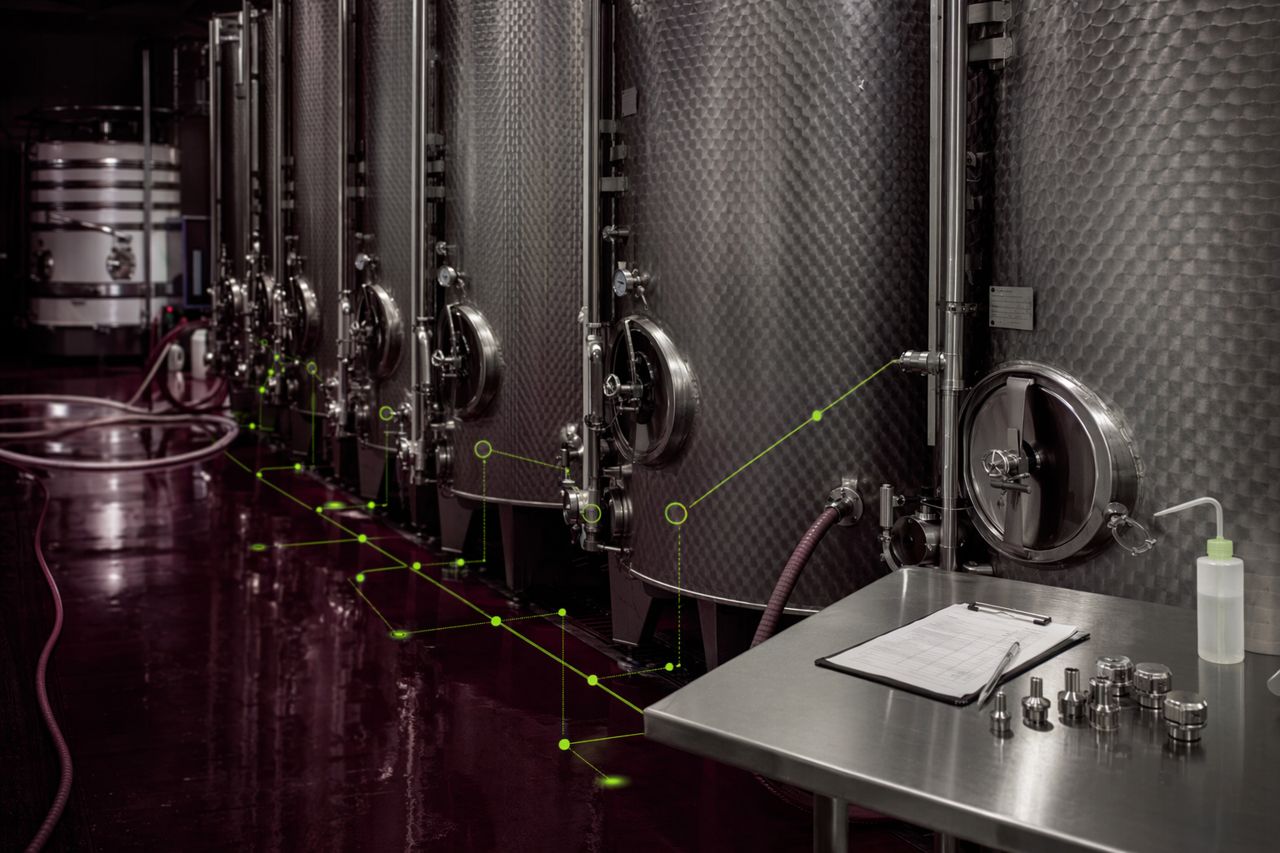
For industrial wineries, microbial control is not a lab-side detail. It affects crush scheduling, tank availability, malolactic timing, filtration pressure, sensory protection, and release risk. Enzymespath supplies lysozyme for commercial wine production planning where lactic acid bacteria control must be deliberate, documented, and aligned with cellar operations.
We supply lysozyme in bulk to wineries, contract crush facilities and oenology distributors, and support purchasing teams, winemakers, QA managers and cellar supervisors with supply planning that fits real production windows, not bench conditions.
Wholesale and bulk supply for wineries, contract crushers and distributors. Send the product, quantity and destination country; pack sizes, lead time and price are quoted per order. Request a quote
Where lysozyme fits in winery control strategy
Lysozyme is used in wine programs where selective pressure against lactic acid bacteria is valuable. It is commonly considered when a winery needs to manage malolactic fermentation timing, reduce bacterial risk during vulnerable process stages, or protect wine lots that are moving through extended holding, blending, or finishing windows.
It is not a universal antimicrobial substitute. It should be planned as part of a broader cellar control program that may include hygiene, temperature management, sulfur strategy, filtration planning, oxygen control, and lot-specific microbiological review.
Common commercial use cases
- Delaying or suppressing malolactic fermentation in lots where acid profile, style, or schedule require control.
- Reducing lactic acid bacteria pressure in must or wine during high-risk holding periods.
- Supporting stuck or sluggish fermentation recovery plans where bacterial competition may worsen risk.
- Protecting aromatic whites and rosés where unwanted malolactic activity can shift freshness and sensory intent.
- Stabilizing red wine process windows before blending, aging, filtration, or bottling decisions are finalized.
- Reducing downstream filtration load risk associated with microbial instability and haze development.
Procurement questions that matter before harvest
Lysozyme buying decisions should be made before cellar pressure peaks. Waiting until a bacterial risk is already moving through the tank farm can turn a controlled intervention into an urgent exception.
Confirm the operational objective
Before specifying lysozyme, define what the cellar needs it to do:
- Delay malolactic fermentation until after primary fermentation.
- Prevent malolactic fermentation in selected wine styles.
- Reduce lactic acid bacteria pressure before a hold, transfer, or filtration step.
- Support a corrective plan on a vulnerable lot.
- Standardize microbial control across multiple sites or brands.
A clear objective helps QA and production teams select the right process window, documentation set, and inventory position.
Match supply to cellar timing
Industrial wineries should align lysozyme procurement with intake forecasts, tank maps, and release schedules. Key planning factors include:
- Expected crush volume by varietal and style.
- Number of lots requiring malolactic control.
- Tank residence time before stabilization or bottling.
- Whether additions will occur in juice, fermenting must, young wine, or finished wine.
- Internal approval steps for allergen, label, and market compliance review.
- Required lead time for multi-site distribution.
Process considerations for cellar and QA teams
Lysozyme performance depends on process context. The same material can support very different outcomes depending on timing, wine matrix, and surrounding control measures.
Wine matrix and style impact
Phenolic load, turbidity, protein content, pH, alcohol stage, and solids management can all influence how a lysozyme program behaves in practice. Red wine, white wine, rosé, high-solids must, and clarified wine should not be treated as identical planning environments.
For premium and large-volume programs alike, the practical question is not only whether lysozyme can be used, but where it belongs in the process map so it does not create avoidable clarification, filtration, or sensory complications.
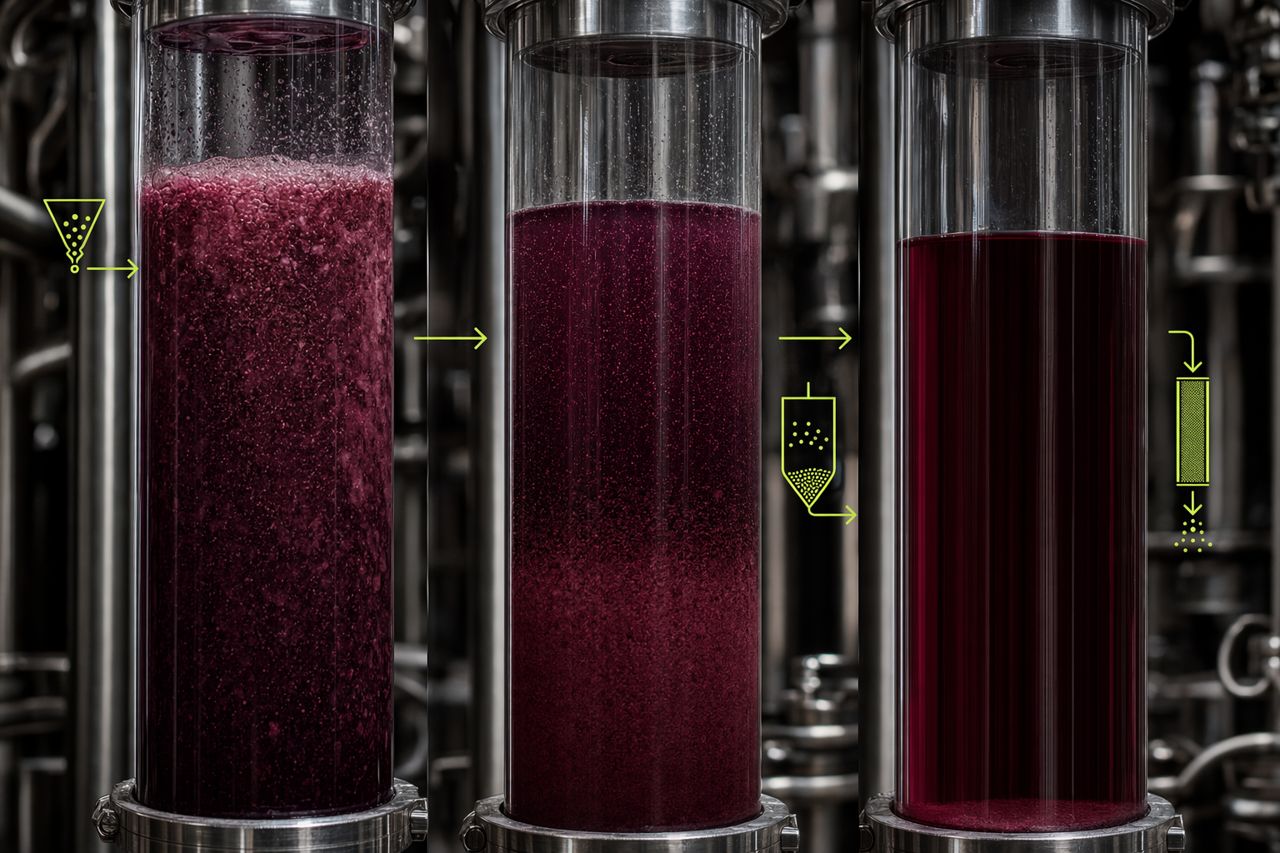
Clarification and filtration planning
Lysozyme can interact with later stabilization and clarification decisions. Commercial wineries should evaluate how the control step fits with:
- Bentonite planning and protein stability work.
- Centrifugation or flotation strategy.
- Crossflow or membrane filtration timing.
- Pre-bottling microbial specifications.
- Haze risk review before release.
The goal is to reduce microbial uncertainty without creating a new bottleneck at clarification or final filtration.
Sensory risk management
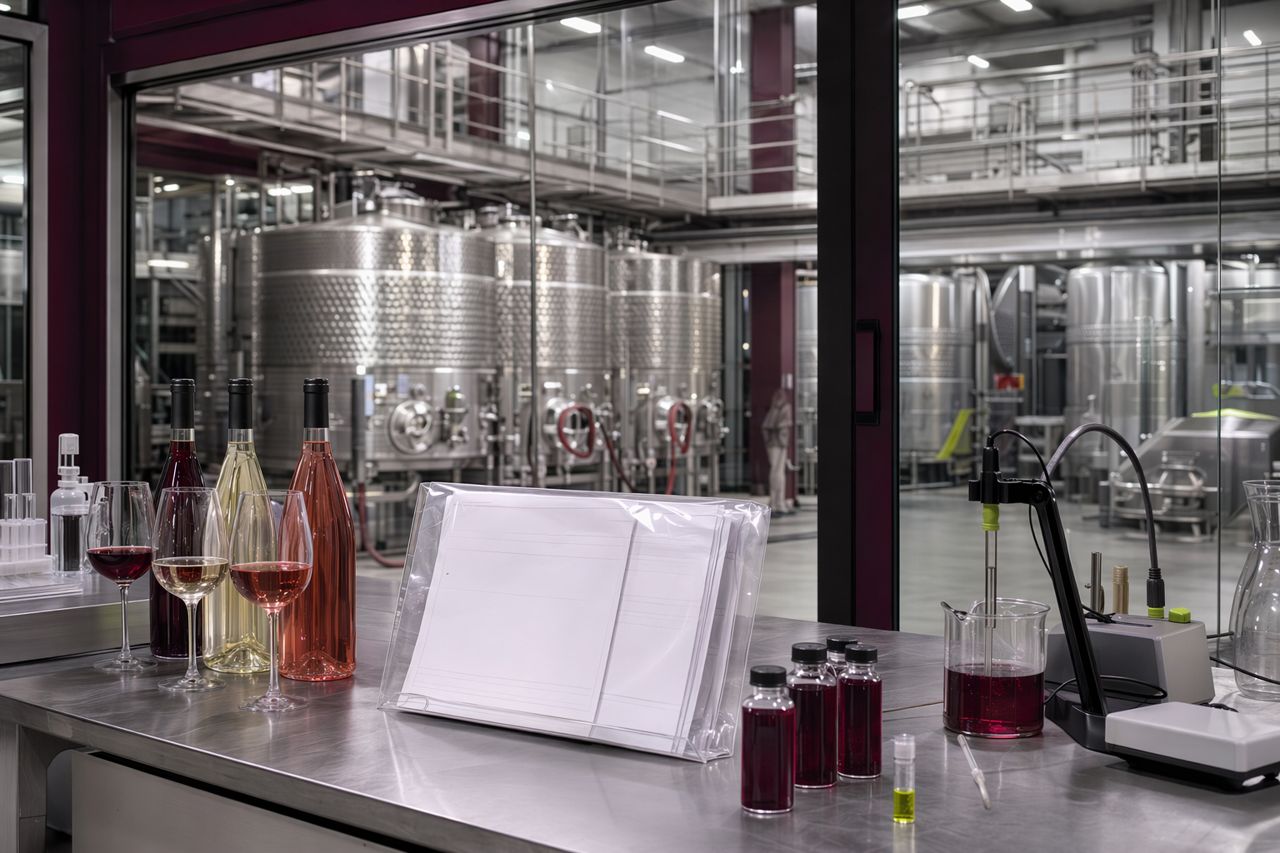
Microbial control protects style only when it is integrated with sensory intent. Lysozyme planning should be discussed alongside:
- Desired acid profile.
- Malolactic status and timing.
- Aroma preservation targets.
- Red wine mouthfeel and phenolic development.
- White and rosé freshness expectations.
- Corrective-action thresholds if a lot moves off plan.
Compliance and documentation essentials
Lysozyme used in wine production is commonly associated with egg-derived allergen considerations, and regulatory expectations vary by market. Commercial buyers should review destination markets, label implications, customer requirements, and internal allergen-control procedures before use.
Enzymespath supports B2B purchasing teams with documentation designed for commercial review, including:
- Product specification support.
- Certificate of analysis by lot.
- Safety documentation.
- Allergen and origin information.
- Traceability records.
- Storage and handling guidance.
- Procurement support for forecasted production runs.
We do not recommend treating lysozyme as a last-minute commodity purchase. It is a controlled cellar input that should be documented like any other material affecting wine stability, compliance, and release readiness.
What to specify when requesting a quote
To help us respond with practical supply guidance, include as much of the following as possible:
- Winery location and receiving site.
- Approximate production window.
- Intended wine types: red, white, rosé, sparkling base, or other programs.
- Planned use stage: juice, must, active fermentation, post-fermentation, aging, or pre-bottling.
- Whether the goal is MLF delay, MLF suppression, bacterial risk reduction, or corrective support.
- Expected number of lots or tanks.
- Required documentation for QA, regulatory, and customer review.
- Preferred packaging, warehouse timing, and delivery cadence.
Why wineries choose Enzymespath
We work with industrial wineries that need enzyme supply to be practical under harvest pressure. Our role is to help teams procure with confidence, align documentation before use, and plan lysozyme into the broader cellar sequence.
Built for commercial cellar realities
- Procurement support that respects vintage timing.
- Documentation for QA and compliance review.
- Lot traceability for commercial production records.
- Planning conversations grounded in tank movement, filtration load, and release risk.
- Clear communication for winemaking, lab, purchasing, and operations teams.
Request a quote
If lysozyme is part of your microbial control or malolactic plan, send:
- The process step and the goal (delay or block malolactic fermentation, protect a sensitive lot, stabilise before bottling)
- Wine type and the volume to be treated over the season
- Your labelling and market requirements for the wines concerned
- Destination country and the date you need supply in the cellar
- If you resell: the markets and customer types you supply
Pack sizes, lead time and price are quoted per order. Use the inquiry form on this page.